
After a road accident, families are often faced with urgent decisions about what orthopedic equipment will best support their loved one’s recovery. Whether the doctor’s discharge instructions are detailed or vague, it’s easy to feel overwhelmed by the choices: neck collar, knee brace, orthopedic boot, or crutches? This practical guide from SINEM Afrique Medical is designed to help you prepare a non-diagnostic checklist before purchasing any equipment, ensuring safety and comfort for the patient and peace of mind for the family.
Scenario: The Aftermath of a Road Accident
Picture this: Your relative has just come home from the hospital after a road accident. Their injuries range from mild to moderate, and the doctor recommends using orthopedic support at home. However, the prescription isn’t always specific about which product, what size, or how to use it. Now you must find the right equipment quickly, safely, and within your budget—often in a high-stress situation.
Clinician Safety Note
Always consult a qualified healthcare provider before purchasing orthopedic equipment after an accident. The right product depends on the exact type and location of injury. Ill-fitting or inappropriate equipment can delay healing or even cause further harm. This checklist is not a substitute for medical advice, diagnosis, or treatment. Use it to prepare for your consultation and to discuss options with your provider.
Mapping Equipment by Body Area
- Neck: Neck collar after accident – Used for whiplash, minor cervical fractures, or soft tissue injuries to limit movement and support healing.
- Knee: Knee brace – Provides stability for ligament injuries, meniscus tears, or post-surgical recovery.
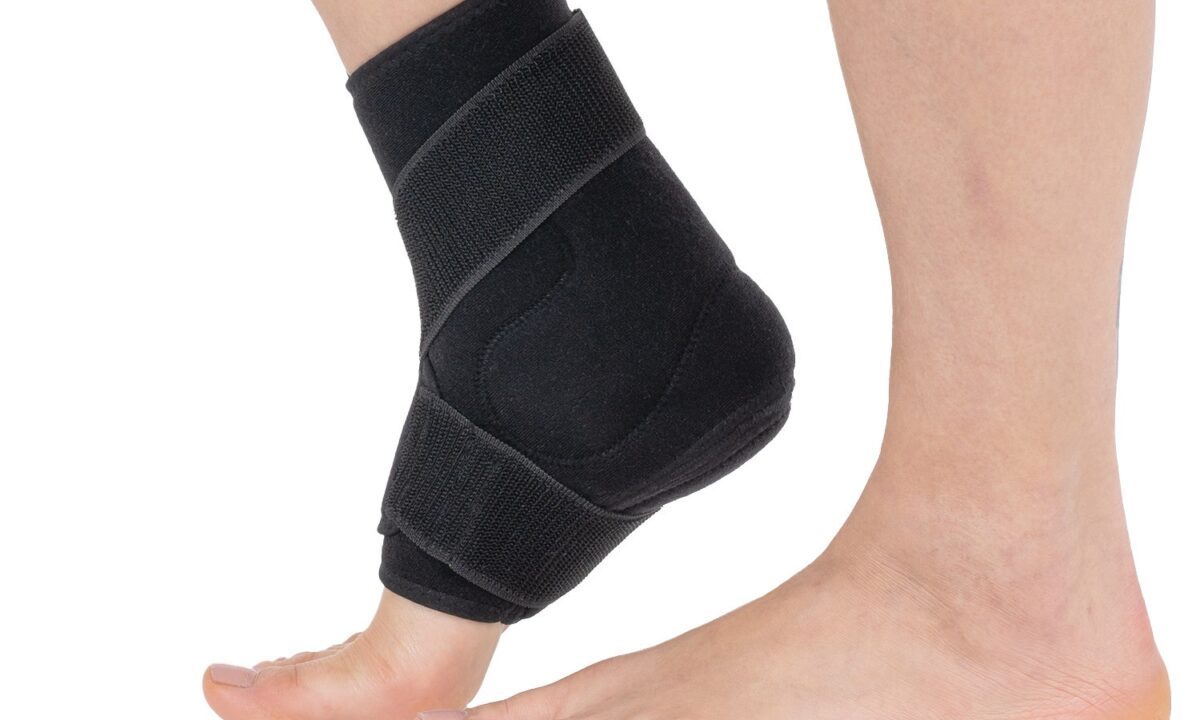
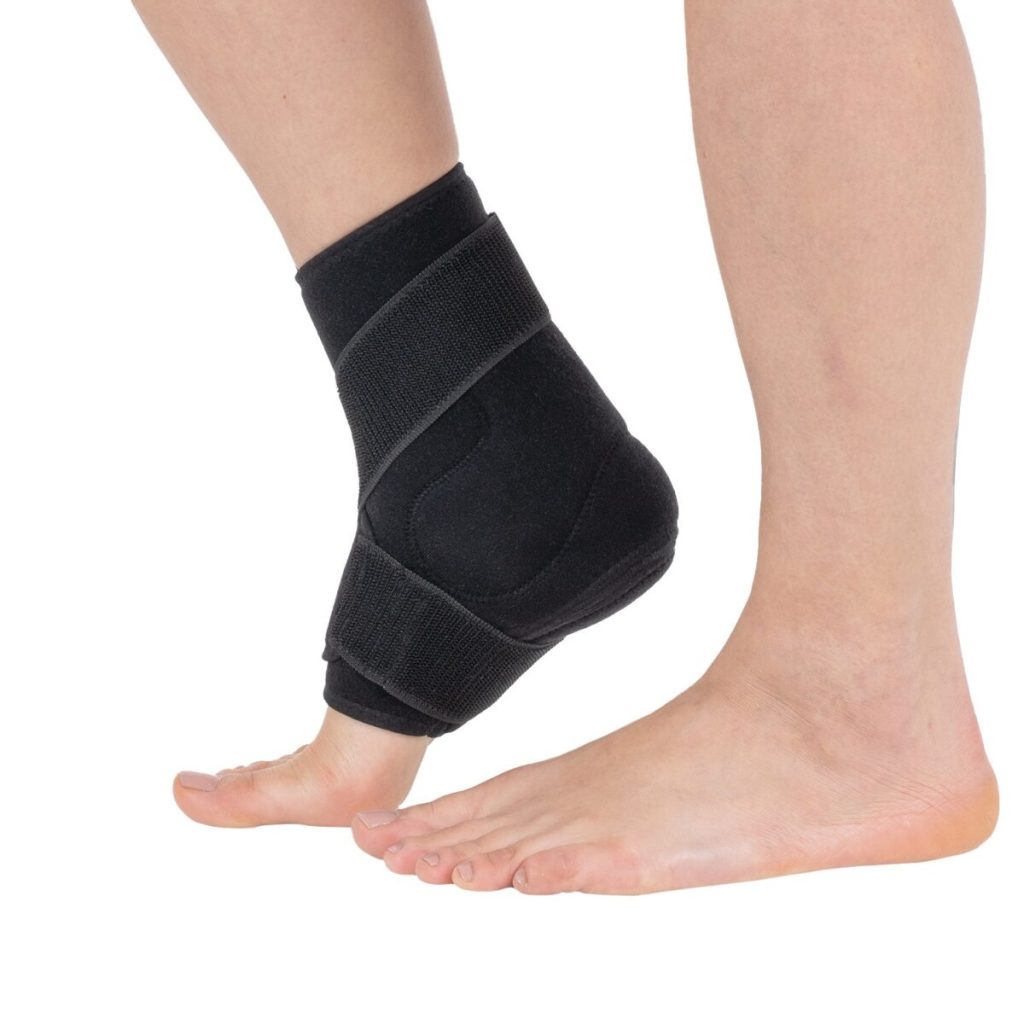
- Foot/Ankle: Orthopedic boot – Immobilizes fractures, sprains, or post-operative sites in the foot or ankle.
- Mobility: Crutches – Allow movement without bearing weight on the injured leg or foot.
What Each Product Can and Cannot Do
| Product | Typical Use | What It Can’t Do |
|---|---|---|
| Neck collar | Limits neck movement, supports mild injuries | Does not treat serious spinal injuries; poor fit can cause discomfort or skin issues |
| Knee brace | Stabilizes and protects the knee joint | Cannot replace surgery; incorrect type may worsen condition |
| Orthopedic boot | Immobilizes lower leg, foot, or ankle | Not for open wounds or severe swelling; wrong size may cause pressure sores |
| Crutches | Assist walking without weight on affected limb | Need upper body strength; improper adjustment increases fall risk |
Key Questions to Ask Your Doctor or Physiotherapist
- What is the exact injury and which equipment is medically recommended?
- What size or measurements are required for safe fitting?
- How long should the equipment be used each day and overall?
- Are there risks to buying over-the-counter or self-fitting products?
- Should I look for specific features (e.g., adjustable straps, breathable material)?
- Can the patient use the equipment independently, or will assistance be needed?
SINEM Recovery Equipment Matching Checklist
- Confirm diagnosis: Ask for a written description of the injury and product type from your clinician.
- Take accurate measurements: Neck circumference and length for collars; knee circumference (mid-patella, thigh, calf) for braces; shoe size and calf circumference for boots; patient’s height and arm length for crutches.
- Assess mobility needs: Will the patient require crutches, a walker, or wheelchair at home? Is the home accessible?
- Check home environment: Are there stairs, uneven surfaces, or slippery floors? Are caregivers available for assistance?
- Contact SINEM Afrique Medical: Inquire about stock and product options available in your city or region. SINEM can advise on models suited to Cameroon’s climate and home conditions.
- Budget and procurement: Orthopedic equipment varies in price depending on brand, features, and size. Request a quote from SINEM to compare options. Some insurance plans or NGOs may assist—ask about documentation required.
- After-sales support: Ask for fitting instructions, demonstration videos, and after-purchase support. SINEM provides guidance on use and maintenance for all equipment supplied.
Buying Guidance: Sizing, Local Availability, and Procurement
When contacting SINEM Afrique Medical, be ready to provide accurate patient measurements and a copy of any medical recommendations. Many products come in multiple sizes; sending photos or a video call can help ensure the correct fit. In Cameroon, availability may vary by city—Douala and Yaoundé typically have the widest selection, but SINEM can arrange delivery to other regions and neighboring countries. Delivery times depend on location and product type; always ask for an estimate.
If your family is abroad or in a rural area, SINEM can coordinate with local clinics or hospitals to ensure safe pickup or fitting. For institutional buyers, bulk procurement and staff training are available on request.
Internal Links and Further Reading
- Read the SINEM Road Accident Recovery Guide for a step-by-step overview of post-accident care.
- Browse orthopedic equipment after accident and see sizing charts and user tips.
Frequently Asked Questions
Can I buy a neck collar after accident without a prescription?
Some basic models are available without prescription, but it is safest to use a neck collar after accident only on a healthcare provider’s recommendation, with correct sizing and guidance on duration of use.
How do I choose the right knee brace?
There are many types: hinged, wraparound, compression, or immobilizer. The right choice depends on the injury’s nature and severity. Bring your doctor’s note or prescription to SINEM, and staff will help match it to available products.
What measurements should I provide to SINEM?
For neck collars: neck circumference and length. For knee braces: circumference at mid-patella, thigh, and calf. For boots: shoe size and calf circumference. For crutches: patient’s height and arm length. If in doubt, ask for a measurement guide or request a video fitting session.
Do you deliver to regional cities in Cameroon?
Yes, SINEM Afrique Medical serves buyers in all major cities and many rural areas across Cameroon and neighboring countries. Delivery times and product selection may vary; contact SINEM for details and to arrange delivery or pickup.
Can I get equipment for children or elderly patients?
Yes, SINEM supplies pediatric and geriatric orthopedic equipment. Provide age, weight, and key measurements when inquiring to ensure a safe, comfortable fit.
Need help choosing orthopedic equipment after accident? Chat with SINEM on WhatsApp or read our road accident guide. For a doctor referral, contact SINEM here.