
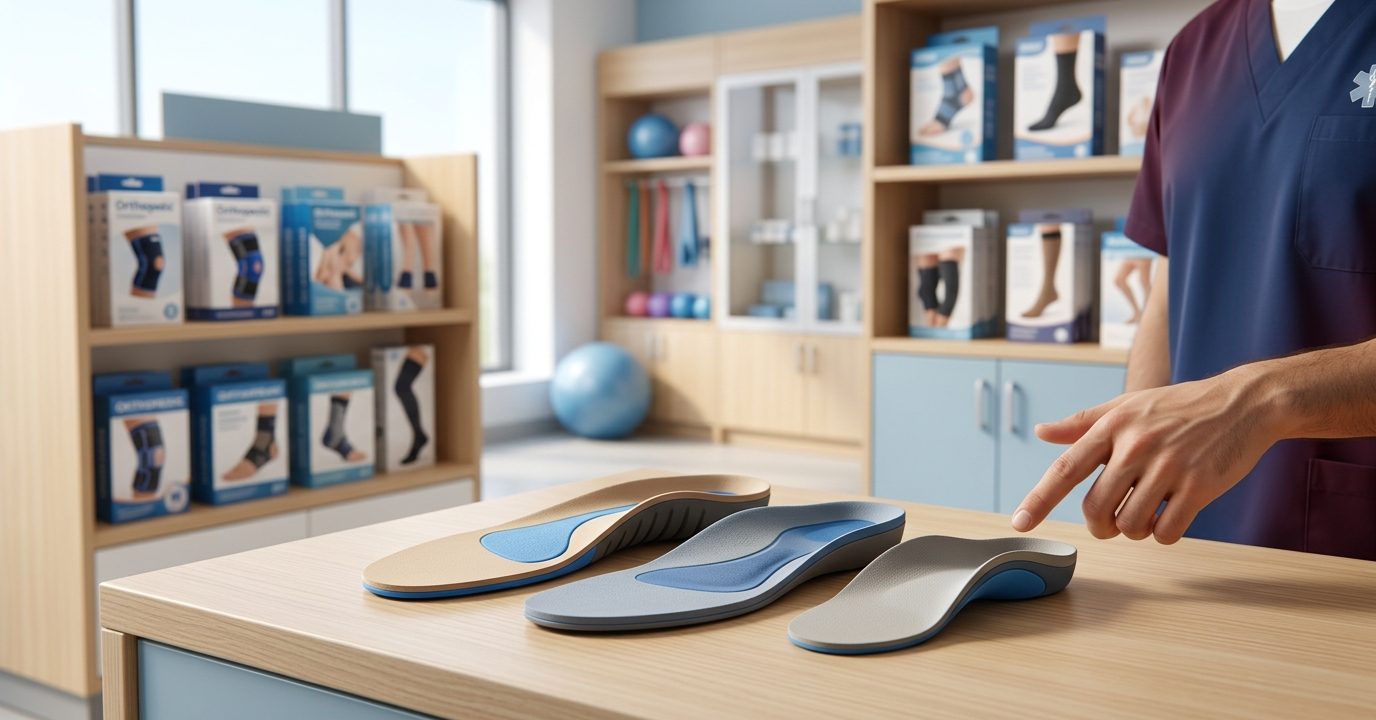
Are you struggling with heel, arch, or persistent foot pain in Cameroon? Orthopedic insoles and heel lifts are among the most accessible solutions for improving comfort and mobility. However, the key to relief is understanding which type best matches your needs and how to ensure proper fit. This comprehensive buyer’s guide from SINEM Afrique Medical covers everything you need to make an informed decision, from product types to local fitting tips.
Should You Use Orthopedic Insoles or Heel Lifts?
If you experience regular discomfort in your feet, especially in the heel or arch, orthopedic insoles or heel lifts can help by redistributing pressure and supporting proper alignment. They are commonly recommended for conditions like plantar fasciitis, flat feet, Achilles tendon pain, and mild leg length discrepancies. However, these products are not substitutes for professional medical care. If you have severe or persistent pain, consult a healthcare provider before purchasing any foot support.
Orthopedic insoles are designed to provide extra support for the entire foot, which can help reduce fatigue and discomfort, especially during long periods of standing or walking. Heel lifts, on the other hand, are targeted solutions for heel pain or minor leg length differences. Both can be beneficial, but selecting the right product for your specific needs is essential for optimal comfort and support.
Product Comparison: Choosing the Right Type
| Product Type | Best For | Main Features | Typical Use |
|---|---|---|---|
| Full-Length Orthopedic Insoles | Arch support, plantar fasciitis, flat feet | Cushioned, structured arch, covers entire footbed | Most daily footwear, sports shoes |
| Heel Lifts | Heel pain, Achilles issues, leg length difference | Elevates heel, relieves tendon strain | Dress shoes, athletic shoes, some sandals |
| 3/4 Length Insoles | Arch support, forefoot flexibility | Partial coverage, fits tighter or low-profile shoes | Office shoes, casual footwear |
| Specialty Insoles | Diabetic foot, sensitive skin, children | Extra cushioning, antimicrobial materials | Medical shoes, pediatric footwear |
Each type of insole or heel lift offers distinct advantages. Full-length insoles provide maximum coverage and are ideal for those needing comprehensive support, while 3/4 length options offer flexibility for shoes with limited space. Specialty insoles are often necessary for individuals with sensitive feet or specific medical conditions, and SINEM Afrique Medical can assist you in selecting the most appropriate type for your lifestyle and needs.
Common Mistakes When Buying Orthopedic Insoles
- Ignoring Sizing: Proper fit is crucial. Insoles that are too large or small can worsen discomfort.
- Choosing the Wrong Type: Match the insole type to your pain location and shoe style. Consult SINEM staff for guidance.
- Expecting Immediate Relief: It can take days or weeks for your body to adjust to new insoles. Start with short wear times and increase gradually.
- Skipping Professional Input: Chronic or severe pain should be assessed by a healthcare provider. Self-diagnosis can lead to improper product selection.
- Overlooking Material Quality: Cheap insoles may flatten quickly or lack adequate support. Ask about material durability at SINEM.
- Not Considering Local Climate: In Cameroon’s humid conditions, look for moisture-wicking or anti-odor features for daily comfort.
- Neglecting Shoe Compatibility: Not all insoles fit every shoe. Always check if the insole is suitable for your favorite footwear and bring your shoes for an in-store fitting if possible.
- Forgetting Care Instructions: Proper maintenance extends the life of your insoles. Ask SINEM staff for care tips specific to your product choice.
How to Measure and Find the Right Size
- Remove the existing insole from your most frequently worn shoes.
- Measure its length and width, or bring it to SINEM for sizing assistance.
- Compare your shoe size to SINEM’s sizing chart, available in-store and online.
- If you have a specific foot shape or medical condition, request a professional fitting at SINEM’s Douala or Yaoundé locations.
- Bring the shoes you use most often to ensure the insole fits properly.
For institutional or bulk buyers, SINEM can provide sample sizing and evaluation units on request. Always specify user age group (adult, youth, child) and any special needs when requesting a quote. SINEM staff are trained to help with challenging fits, such as for wide feet, high arches, or pediatric users.
Local Buying Tips for Cameroon
- Availability: SINEM Afrique Medical maintains a diverse stock of orthopedic insoles and heel lifts, including products designed for the Cameroonian climate and popular shoe styles.
- Procurement Support: For clinics, hospitals, and group buyers, SINEM offers procurement guidance and can arrange product demonstrations or samples.
- Store Fitting Services: Visit SINEM’s Douala or Yaoundé stores for personalized fitting and advice. Staff are trained to assist with size selection and explain product features.
- Quote-Based Pricing: Prices depend on insole type, material, size, and special features. Contact SINEM for a tailored quote and current stock information.
- After-Sales Support: SINEM provides advice on insole care, replacement timing, and troubleshooting common fit issues.
- Climate-Appropriate Products: SINEM’s range includes insoles with breathable, moisture-wicking materials for Cameroon’s warm, humid weather.
- Children’s Fittings: SINEM offers fitting and advice for pediatric insoles, ensuring proper support for growing feet.
Remember, SINEM Afrique Medical is committed to providing high-quality, regionally appropriate products and support for individual buyers and institutions alike. For bulk orders, schools, or clinics, inquire about procurement timelines and custom options.
Related Products and Internal Links
Frequently Asked Questions
Can I use orthopedic insoles in any type of shoe?
Most standard insoles fit a wide range of shoes, but some athletic or formal shoes may require specialized designs. For best results, bring your shoes to SINEM for a fitting.
How long do orthopedic insoles last?
Durability depends on material and usage. High-quality insoles may last 6-12 months with regular use. Inspect for signs of wear, such as flattening or loss of support, and replace as needed.
Do I need a prescription to buy orthopedic insoles?
Most over-the-counter insoles and heel lifts do not require a prescription. For custom or medical-grade devices, consult a healthcare provider for recommendations.
Can insoles permanently correct foot problems?
Orthopedic insoles can improve support and reduce discomfort, but they do not change foot structure. Persistent or worsening symptoms should be evaluated by a medical professional.
How do I clean and care for my insoles?
Most insoles can be wiped with a damp cloth and mild soap. Avoid machine washing unless the manufacturer specifies. Allow to air dry completely before reinserting.
Does SINEM offer insole fitting for children?
Yes, SINEM stocks insoles for children and youth. Bring your child and their shoes for a professional fitting and advice on the best options.
What factors affect the price of orthopedic insoles?
Material, design complexity, brand, and any special features such as antimicrobial layers or custom shaping can influence price. SINEM provides quotes based on your specific needs.
Can I use one pair of insoles in multiple shoes?
While possible, frequent transfer can lead to faster wear and may affect fit. Consider purchasing multiple pairs if you regularly switch shoes.
Expert Quote & Store-Visit Call to Action
“Selecting the right orthopedic insole or heel lift can make a noticeable difference in your daily comfort and mobility. Our team at SINEM Afrique Medical is ready to help you find the perfect fit for your needs. Visit our store or contact us on WhatsApp for a personalized fitting and a quote today.”